
"Andes mountains"
1000 article(s) found

Coffee producing area in Colombia: coffee flavor in the Andes region
For more information on coffee beans, please follow Coffee Workshop (official Wechat account cafe_style) Colombia-Colombia is the second largest coffee industrial country after Brazil in terms of output, with the characteristics of sour, bitter, sweet and strong, brewed coffee with a color like brewed wine, unique sour and mellow tastes. Coffee from the Colombian Andes

Is the Colombian coffee producing area located in the foothills of the Andes?
Colombia's coffee-producing region is located in the foothills of the Andes, where the climate is mild and the air is humid. Colombia has three Cordilleras mountains (sub-mountain system) running north and south, right into the Andes. Coffee is grown along the highlands of these mountains. The mountain steps provide a diverse climate, which means that the whole year is the harvest season, with different species at different times.

Columbia Coffee Manor Lazmus Manor introduces the coffee producing areas in the Andes
Colombian coffee is divided into more than 200 grades, which means that the coffee is very regional. The country's coffee-producing areas are located in the Andes, where the climate is mild and the air is humid. Colombia has three Codiera mountains running north and south, right into the Andes. Coffee is grown along the highlands of these mountains. The mountain steps provide a diverse climate, and it is the harvest season all year round.

Colombia coffee-producing region Andes foothills
The coffee-producing region of the country is located in the foothills of the Andes, where the climate is mild and the air humid. Colombia has three Cordilleras (sub-mountain system) running north-south, right into the Andes. Coffee is grown along the highlands of these mountains. The terraces provide diversity in climate, which means harvest season throughout the year, with different species at different times.
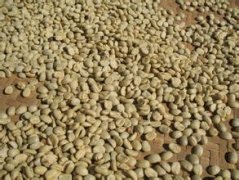
Flavor and taste of Ecuadorian boutique coffee beans A brief introduction to the characteristics of Hassanda Coffee Garden
Central mountain: after entering Ecuador from Colombia, the Andes is divided into the eastern and western Cordillera mountains, with a plateau high in the north and low in the south, averaging between 2500 and 3000 meters above sea level. The Andes run through the middle of the border. The ridges crisscross, dividing the plateau into more than ten intermountain basins. The most important are the Quito basin and the Cuenca basin in the south. Volcanic crowds in the territory

Individual coffee beans recommend Salvadoran coffee Andes Farm the best coffee in the world
Professional coffee knowledge exchange more coffee bean information please follow the coffee workshop (Wechat official account cafe_style) El Salvador Santa Andes farm Sl28 washed El Salvador Santa Ana Los Andes Sl28 washed production country: El El Salvador producing area: Apaneca-Ilamatepec Mountains; Santa Anna Santa Ana Farm

Peruvian Andes Gold Organic Coffee
Professional coffee knowledge exchange More coffee bean information Please pay attention to coffee workshop (Weixin Official Accounts cafe_style) Peru is located in the west of South America, with a coastline of 2254 kilometers. The Andes runs through the north and south, and the mountains account for one third of Peru's total area. The climate is dry and mild. Ninety-eight percent of Peruvian coffee is grown in the jungle at the foot of the Andes. Chassimayo in central Peru

Flavor and taste of Ecuadorian boutique coffee beans introduction to Hasunda Coffee Garden
West coast: including coastal plains and foothills, high in the east and low in the west, generally below 200 meters above sea level, with some hills and low mountains at an altitude of 600 to 700 meters. Belongs to the tropical rain forest climate, the southernmost end begins to transition to the savanna climate. The average annual precipitation decreases from more than 3000 mm to about 500mm from north to south. Central Mountains: the Andes enter Ecuador from Colombia

Introduction to the characteristics of varieties and taste of the flavor description treatment method of Hassanda coffee garden in Ecuador
Central mountain: after entering Ecuador from Colombia, the Andes is divided into the eastern and western Cordillera mountains, with a plateau high in the north and low in the south, averaging between 2500 and 3000 meters above sea level. The Andes run through the middle of the border. The ridges crisscross, dividing the plateau into more than ten intermountain basins. The most important are the Quito basin and the Cuenca basin in the south. Volcanic crowds in the territory

Soft and smooth Colombian Coffee in the Andes, the cultivation of Lazmus Manor Jane
The status of coffee in Colombia can be seen from the following examples. All vehicles entering the country must be sprayed and sterilized so as not to inadvertently cause disease and damage to coffee trees. The National Coffee Management Association of Colombia, like the National Management Association of Kenya, is a model of coffee organization. Compared with other producing countries, Colombia is more concerned with developing products and promoting production. It is this one.

The highest elevation Ecuador coffee cultivation geographical location climate altitude profile
The best Arabica coffee is produced in the Andes, especially the Chanchamgo Valley. The Andes is divided into two mountain ranges, extending from south to north to central Ecuador. Ecuador is located in South America and the equator line passes through the country. Therefore, Ecuador is also known as the equatorial country. Ecuador's superior geographical location, fertile soil and special climatic conditions are

El Salvador | Santa Ana Los Andes Los Andes Manor Honey treatment S in Santa Ana volcanic area
Professional coffee knowledge exchange more coffee bean information please follow the coffee workshop (Wechat official account cafe_style) El Salvador | Santa Ana volcanic area Santa Ana Los Andes Los Andes manor honey treatment SL28 flavor? Los Andes Manor-Los Andes farm, not far from Santa Ana (Santa Ana), about 1 hour away if the weather is fine

The main coffee-producing area of Colombia, the Andes.
The planting environment edits Colombia's suitable climate to provide a real natural pasture for coffee. Coffee trees in Colombia are mainly cultivated in the Andes, on steep slopes about 1300 meters above sea level, where the annual temperature is about 18 degrees Celsius, annual rainfall is 2000 to 3000 mm, latitude 1-11 15 north and longitude 72-78 west. The specific range of elevation can be exceeded.

Coffee growing areas in the Andes of Colombia at an altitude of 1,300 meters
Colombia's favourable climate provides a truly natural pasture for coffee. Coffee trees in Colombia are mainly cultivated in the Andes mountains, on steep slopes up to 1,300 meters above sea level, where the annual temperature is about 18 degrees Celsius, the annual rainfall is 2000 to 3000 mm, the latitude is 1 - 11 15, the longitude is 72 - 78, and the specific altitude range can exceed 2.000 meters. by

Growing environment in the Andes, a coffee-growing region in Colombia
The suitable climate in Colombia provides a real natural pasture for coffee. Coffee trees in Colombia are mainly cultivated in the Andes, on steep slopes about 1300 meters above sea level, where the annual temperature is about 18 degrees Celsius, annual rainfall is 2000 to 3000 millimeters, latitude 1-11 15 north, longitude 72-78 west, and the specific range of elevation can exceed 2.000 meters. By

How does Columbia taste exquisite?
For the exchange of professional baristas, please follow the Coffee Workshop (Wechat official account cafe_style) Columbia is located in the Andes Mountains where Colombia meets Ecuador in the southeast (the Andes Mountains, beginning in Chile and Argentina in the south, across the north and south of Colombia, while running through the exquisite producing areas). The natural geographical environment here: tropical Pacific coast, Yama

Introduction to the flavor and taste of Colombian coffee introduction to the Andes of Lazmus Manor
Colombia has three Codiera mountains running north and south, right into the Andes. Coffee is grown along the highlands of these mountains. The mountain steps provide a diverse climate, where the whole year is the harvest season, and different kinds of coffee ripen at different times. And fortunately, unlike Brazil, Colombia doesn't have to worry about frost. Colombia has about 2.7 billion coffee plants.

A brief introduction to the Flavor description of the growing Environment of Coffee beans in Lazimus Manor, Colombia
A brief introduction to the Flavor description of the growing Environment of Coffee beans in Lazimus Manor, Colombia Coffee is divided into more than 200 grades, which means that the coffee is very regional. The country's coffee-producing areas are located in the Andes, where the climate is mild and the air is humid. Colombia has three Codiera mountains running north and south, right into the Andes. Planted along the highlands of these mountains

The main cultivated areas of coffee trees in Colombia introduce the coffee producing areas in the Andes.
The planting environment edits Colombia's suitable climate to provide a real natural pasture for coffee. Coffee trees in Colombia are mainly cultivated in the Andes, on steep slopes about 1300 meters above sea level, where the annual temperature is about 18 degrees Celsius, annual rainfall is 2000 to 3000 mm, latitude 1-11 15 north and longitude 72-78 west. The specific range of elevation can be exceeded.

Introduction to Lazmus Manor in the Andes of Colombia Coffee, which is soft and smooth in taste.
The National Coffee Management Association of Colombia, like the National Management Association of Kenya, is a model of coffee organization. Compared with other producing countries, Colombia is more concerned with developing products and promoting production. It is this, coupled with its superior geographical and climatic conditions, that makes Colombian coffee excellent in quality and delicious and famous all over the world. The status of coffee in Colombia comes from the following examples